
Norwegian Transparency Act Report
Account of Due Diligence under the Norwegian Transparency Act
For the reporting period ending: 31st October 2025
Published: 30th June 2026
1. Introduction
This report has been prepared by Datalec Precision Installations AS (“DPI Norway”) in accordance with the Norwegian Transparency Act. It covers DPI Norway’s own operations, supply chain and relevant business partners for the reporting period from 1st November 2024 to 31st October 2025.
Respect for fundamental human rights and decent working conditions is an important factor in how DPI Norway conducts its business. It recognises that businesses can cause, contribute to, or be directly linked to adverse impacts on people through their own activities, supply chains or business relationships. DPI Norway therefore takes a risk-based approach to identifying, assessing and managing potential and actual adverse impacts connected with its activities.
During 2025, DPI Norway secured its first major project in Norway, which prompted a more detailed review of its working practices, supplier relationships and project-related risks. This statement explains the steps DPI Norway has taken to embed human rights due diligence into its business activities, promote decent working conditions, and provide transparent information on how it addresses actual and potential adverse impacts.
DPI Norway has identified the following areas as the key human rights and decent working conditions risks most relevant to its operations and supply chain:
- Unsafe working conditions
- Unethical recruitment of migrant workers in the supply chain
- Wage theft and excessive working hours in the supply chain
- Adverse impacts on local communities
2. About DPI Norway
2.1 Legal and organisational structure
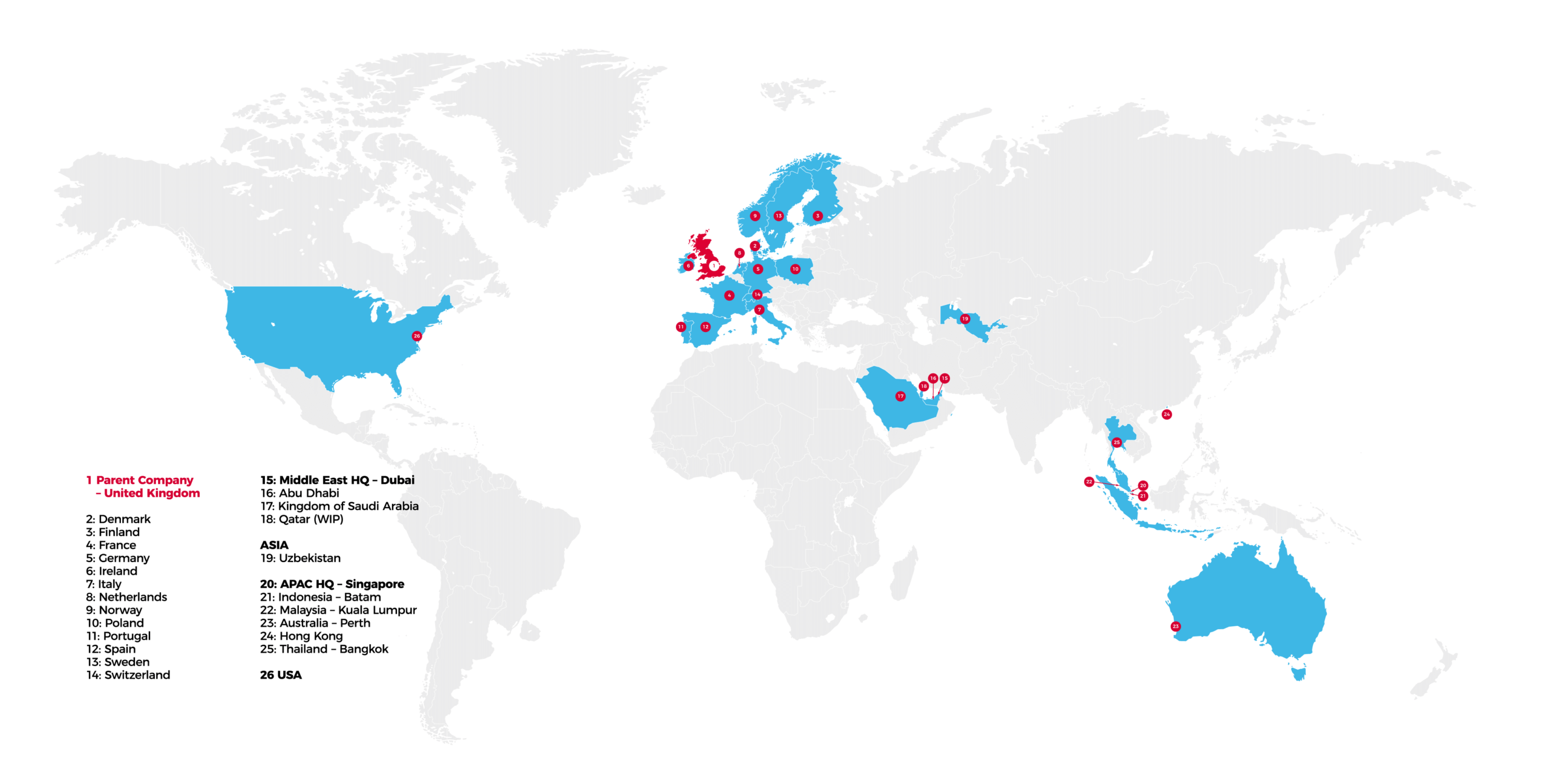
DPI Norway was incorporated in 2018 to support the compliant delivery of projects in Norway. It is part of the DPI Group, an international provider of specialist services to the data centre sector, delivering design, build, installation, project management and managed services solutions.
DPI Norway is a wholly owned subsidiary of Datalec Power Installations Ltd, a UK company established in 2012 that serves as the global headquarters of the DPI Group.
The DPI Group:
2.2 Business activities
DPI Norway provides project management and consultancy services to customers in the data centre industry.
The Company’s main activities include:
- Project Management
- Client-side Technical PM
- Technical Contract Administration
- Construction Management and Monitoring
- Strategic Project Advisory
- Risk Management and Mitigation
- Logistics
2.3 Supply chain and business partners
DPI Norway’s key supplier categories include:
- Construction, mechanical and electrical contractors
- Equipment and materials suppliers
- Logistics and transport providers
- Professional advisers
- IT, software and administrative service providers
- Facilities and accommodation providers, where relevant
3. Governance and Responsibility
Overall responsibility for compliance with the Transparency Act rests with the Board of Directors.
Day-to-day responsibility is allocated as follows:
- Board / senior management: oversight and approval of this report
- Compliance / Legal: policy framework, due diligence process and reporting
- Procurement: supplier onboarding, contractual controls and supplier engagement
- HR: employee rights, working conditions, grievance processes and labour standards
- Operations / Project Management: implementation of requirements on projects and sites
- Finance: payment controls, supplier records and audit support
The Company reviews its approach to human rights and decent working conditions annually. Additional reviews will take place when there are material changes to its business, projects, supply chain or risk profile.
4. Policies and Procedures
The DPI Group has adopted policies and procedures designed to support respect for fundamental human rights and decent working conditions.
These include:
- Code of Conduct
- Supplier Code of Conduct
- Anti-slavery and human trafficking policy
- Whistleblowing policy
- Health, safety and environment policy
- Equality, diversity and inclusion policy
- Anti-bribery and corruption policy
- Recruitment and onboarding procedures
- Supplier onboarding and due diligence procedures
- Contractual terms requiring compliance with applicable labour, human rights and HSE laws and reference to relevant collective bargaining agreements where applicable which offer enhanced labour protections.
5. Due Diligence Methodology
DPI Norway conducts due diligence using a risk-based approach, taking into account the nature of its operations, the countries in which it operates, the type of goods and services procured, and the characteristics of suppliers and business partners.
The due diligence process includes the following steps:
5.1 Identify and map risks
The Company identifies relevant human rights and labour risks by reviewing:
- Nature of goods or services supplied
- Use of subcontracted or agency labour
- Project location and site conditions
- Country risk
- Sector-specific risks
- Previous audit findings or incidents
- Information received from employees, contractors, suppliers or third parties
5.2 Assess and prioritise risks
Risks are assessed by reference to:
- Severity of potential impact
- Likelihood of occurrence
- Number of people potentially affected
- Ability of the Company to influence or prevent the risk
- Whether vulnerable workers may be affected
- Whether the risk relates to direct operations, suppliers or more remote supply chain tiers
5.3 Prevent, mitigate and remediate
Where risks are identified, the Company may take one or more of the following actions:
- Obtain further information from the supplier or business partner
- Require completion of a supplier questionnaire
- Include contractual commitments on labour and human rights standards
- Request corrective action plans
- Conduct audits or site visits
- Provide guidance or training
- Escalate concerns internally
- Suspend, restrict or terminate relationships where appropriate
- Provide or support remediation where actual adverse impacts are identified
5.4 Monitor effectiveness
The Company monitors the effectiveness of actions through:
- Supplier reviews
- Contract management meetings
- Internal audits
- Project reviews
- Incident reporting
- Follow-up on corrective action plans
- Periodic compliance reporting to management
6. Key Risk Areas Identified
During the reporting period, DPI Norway identified the following actual or potential risks relating to fundamental human rights and decent working conditions.
6.1 Own workforce
DPI Norway acknowledges that due to the industry sector, there is an increased risk of impact on human rights. As part of the due diligence exercis,e the following potential risk areas were reviewed:
- Working time and rest periods
- Health and safety on operational sites
- Equal treatment and non-discrimination
- Fair recruitment practices
- Access to grievance mechanisms
- Training and competence requirements
Assessment:
During the reporting period, DPI Norway identified the potential risk of non-compliance with applicable working time and rest period requirements in relation to its own employees. In response, the Company carried out an audit of employee working hours and introduced regular monitoring to ensure ongoing compliance. This enhanced oversight enables DPI Norway to identify potential issues at an early stage and take proactive steps to prevent employees from exceeding permitted working time limits.
No other actual adverse impacts relating to the Company’s direct employees were identified during the due diligence exercise for this reporting period. The Company continues to monitor working hours, health and safety performance, and employee concerns through internal HR and HSE processes.
6.2 Subcontracted and agency labour
DPI Norway is committed to ensuring its subcontractors uphold the same standards on fundamental human rights, labour rights and decent working conditions that are consistent with DPI Norway’s own commitments. As part of the due diligence exercise, the following potential risk areas were reviewed:
- Excessive working hours
- Inadequate wage practices
- Unclear employment status
- Inadequate accommodation, where applicable
- Limited worker awareness of rights
- Health and safety risks on project sites
Assessment:
Given the nature of the data centre industry and the reliance on subcontracted and site-based labour, this remains a priority risk area for DPI Norway. To ensure compliance, DPI Norway avoids using agency labour and instead relies on bona fide subcontractors. During the due diligence process, DPI Norway reviewed its subcontractors’ working practices and identified a clear risk of workers exceeding working hours.
In response to its findings, DPI has worked with its subcontractors to ensure they are fully informed of Norwegian working regulations. In addition, DPI Norway has introduced a formal procedure to support compliance with its duty to inform and supervise under Norwegian labour law. This procedure includes subcontractor risk assessments and targeted spot checks to help verify compliance with applicable labour, working time, wage and health and safety requirements and to ensure the ongoing monitoring of subcontractors.
6.3 Suppliers of goods and materials
As part of the due diligence exercise, the following potential risk areas were reviewed:
- Labour rights risks in manufacturing
- Forced labour or child labour in upstream supply chains
- Low wages or excessive working hours
- Health and safety risks in factories
- Limited visibility beyond tier-one suppliers
Assessment:
The Company recognises that visibility beyond tier-one suppliers can be limited. During the reporting period, the Company prioritised higher-risk suppliers based on geography, product type and strategic importance.
DPI Norway has completed an onboarding exercise for 67 suppliers, all of whom are now registered on Datalec’s EQA2 supplier management system. This onboarding process included the collection and verification of key supplier information. No actual risks were identified through this initial review.
It is acknowledged that more can be done to specifically address the potential risk areas in greater detail. This will be a priority for the next reporting period.
6.4 Health, safety and environment
As part of the due diligence exercise the following potential risk areas were reviewed:
- Unsafe work practices
- Inadequate training
- Inadequate supervision
- Failure to use appropriate personal protective equipment
- Site access risks
- Contractor management risks
Assessment:
Health and safety remain a key focus area due to the nature of the Company’s operations. The Company maintains HSE procedures and site controls designed to reduce the risk of injury or unsafe working conditions.
During site monitoring activities of the potential risks some of the findings included the following:
In some instances where unsafe working practices were observed, management stopped the activities, reassessed them, and implemented and monitored safe systems of work to ensure activities were carried out and completed safely.
During onsite construction monitoring, operatives occasionally did not wear the correct PPE while carrying out activities. To correct these non-conformances, DPI ensured the correct PPE was available and carried out toolbox talks to improve compliance and help manage and eliminate potential risks.
7. Measures Implemented During the Reporting Period
During the reporting period, DPI Norway implemented the following measures:
- Reviewed supplier onboarding procedures
- Introduced human rights and labour standards clauses in supplier contracts
- Conducted risk assessment of key suppliers
- Reviewed high-risk subcontractors
- Focused on educating relevant procurement, HR, compliance and operations staff on the importance of Human Rights compliance.
- Conducted site inspections or project reviews
- Escalated identified concerns to senior management where appropriate
8. Planned Measures for the Next Reporting Period
To support compliance with the Norwegian Transparency Act and strengthen supply chain governance, DPI Norway aims to establish a structured supplier management and due diligence programme during the next reporting period. This programme would be led by the Supply Chain and Sustainability Manager and integrated into supplier pre-qualification, onboarding, and periodic supplier review processes.
Subject to the implementation of this programme, DPI Norway would seek to:
- Introduce enhanced supplier due diligence questionnaires.
- Further map tier-one suppliers and key subcontractors
- Improve visibility of higher-risk supply chains through enhanced supplier due diligence and ESG assessments
- Review and update supplier contractual terms where required to incorporate human rights, labour, environmental and ethical business requirements
- Develop a supplier risk-rating methodology to identify and prioritise higher-risk suppliers
- Conduct targeted supplier reviews and enhanced due diligence for suppliers operating in higher-risk categories
- Strengthen supplier and worker grievance, reporting and escalation mechanisms
- Provide additional training and awareness for procurement, project and operational teams
- Monitor and track supplier corrective action plans where deficiencies or risks are identified
- Implement a risk-based approach to determining when supplier audits, site visits or project reviews are necessary
The implementation of this management programme would provide DPI Norway with a formal framework for assessing, monitoring and improving supplier performance in relation to human rights, labour standards, environmental management and corporate governance requirements.
9. Information Requests
Requests for information may be submitted to:
DPI Compliance
Email: compliance@datalecltd.com
Postal address: Datalec Precision Installations AS, c/o Ecovis Accounting Norway AS, Storgata 8C, 1531 MOSS
The Company will respond to information requests in accordance with the requirements of the Transparency Act.
10. Approval and Signature
This report has been reviewed and approved by the Board of Directors of DPI Norway.
Signed for and on behalf of DPI Norway:
L.Eiffert S.Hewson
Lee Eiffert, COO Steve Hewson, Operations Director (EMEA)